
90s Nostalgia, Year by Year: USA, Germany, Russia
October 16, 2026
The 1990s were three different decades, depending on which country you lived in. In the USA it was the decade of the first web pages, in Germany it started with the day the country became one, and in Russia it began with queues at a new burger place and ended with a crash. Here is the decade in the order it happened, using the news lines and prices from our game data.
1990–1994: everything changes
1990. USA: a large space telescope is launched into orbit to photograph distant galaxies. Germany: the new D-mark reaches the east, and on 3 October the country is united. In the East, the West German mark replaces the East mark, and shop shelves fill with new goods. Russia and the USSR: huge queues form for the first Western fast-food restaurant in Moscow.
1991. USA: the Soviet Union comes to an end, and a long chapter of the Cold War closes. The Soviet news line agrees: the union ceases to exist in December, and fifteen new countries appear on the map. Germany: shops in the east fill with Western goods, while many old factories close.
1992. USA: Hurricane Andrew flattens whole neighborhoods in southern Florida, and neighbors rebuild together. Germany: digital mobile phone networks start, and the first handsets are big and expensive. Russia: prices are freed, shops fill with goods, and many people can hardly afford them.
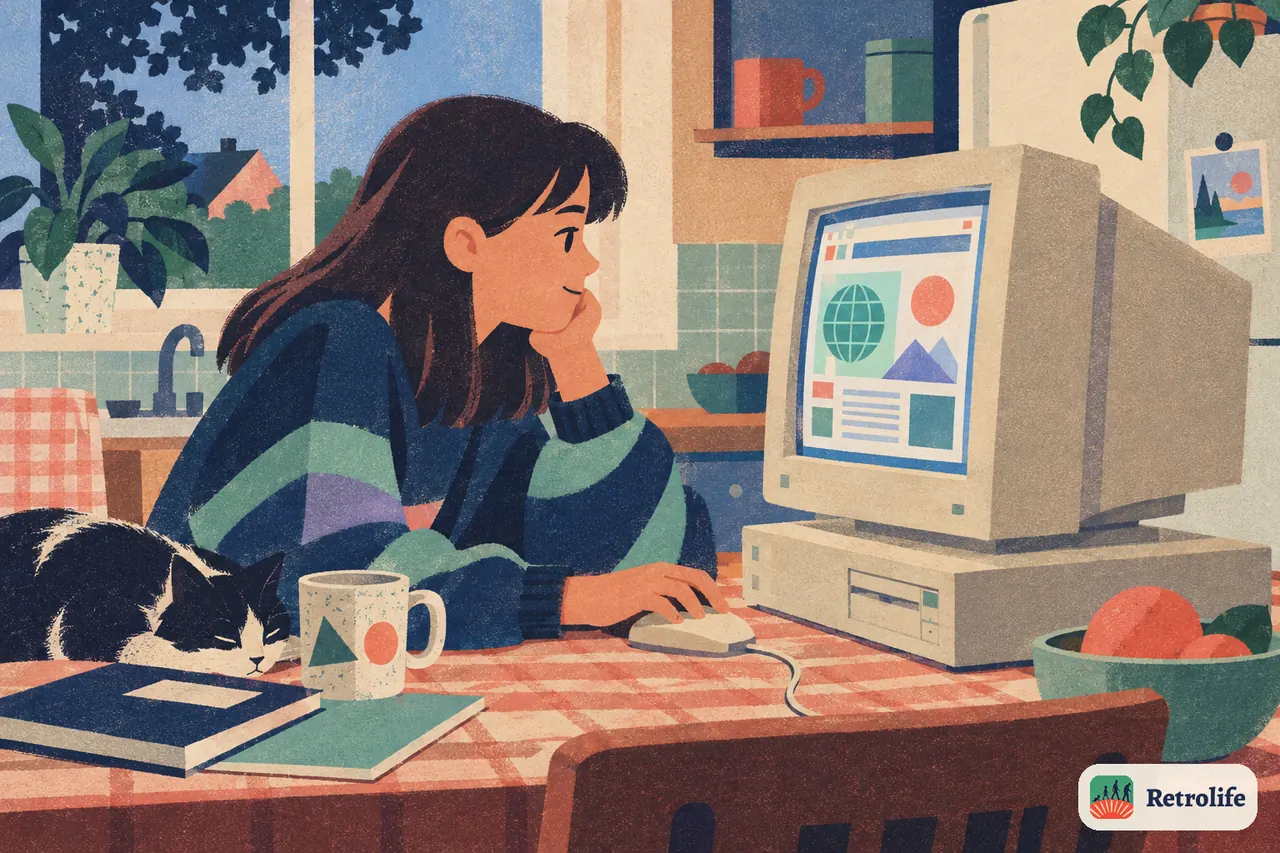
1993. USA: the first popular web browser lets ordinary people click through the internet. Germany: five-digit postcodes appear on every letter across the unified country. Russia: old Soviet banknotes are withdrawn, and new ruble notes appear in wallets.
1994. USA: the soccer World Cup is played in American stadiums for the first time. Germany: inline skates roll through every park, and helmets and knee pads sell out. Russia: open-air markets and street kiosks sell everything from jeans to sausage.
1995–1999: the second half
1995. USA: more families dial in to the internet over the telephone line with a noisy modem. Germany: a famous parliament building is wrapped in silver cloth and draws millions of visitors. Russia: private television channels compete with the state ones for viewers.
1996. USA: Atlanta hosts the Summer Olympics, and a hundred years of the modern Games are celebrated. Germany: the football European Championship in England ends in a German win. Russia: the team returns from the Olympic Games in Atlanta with many medals.
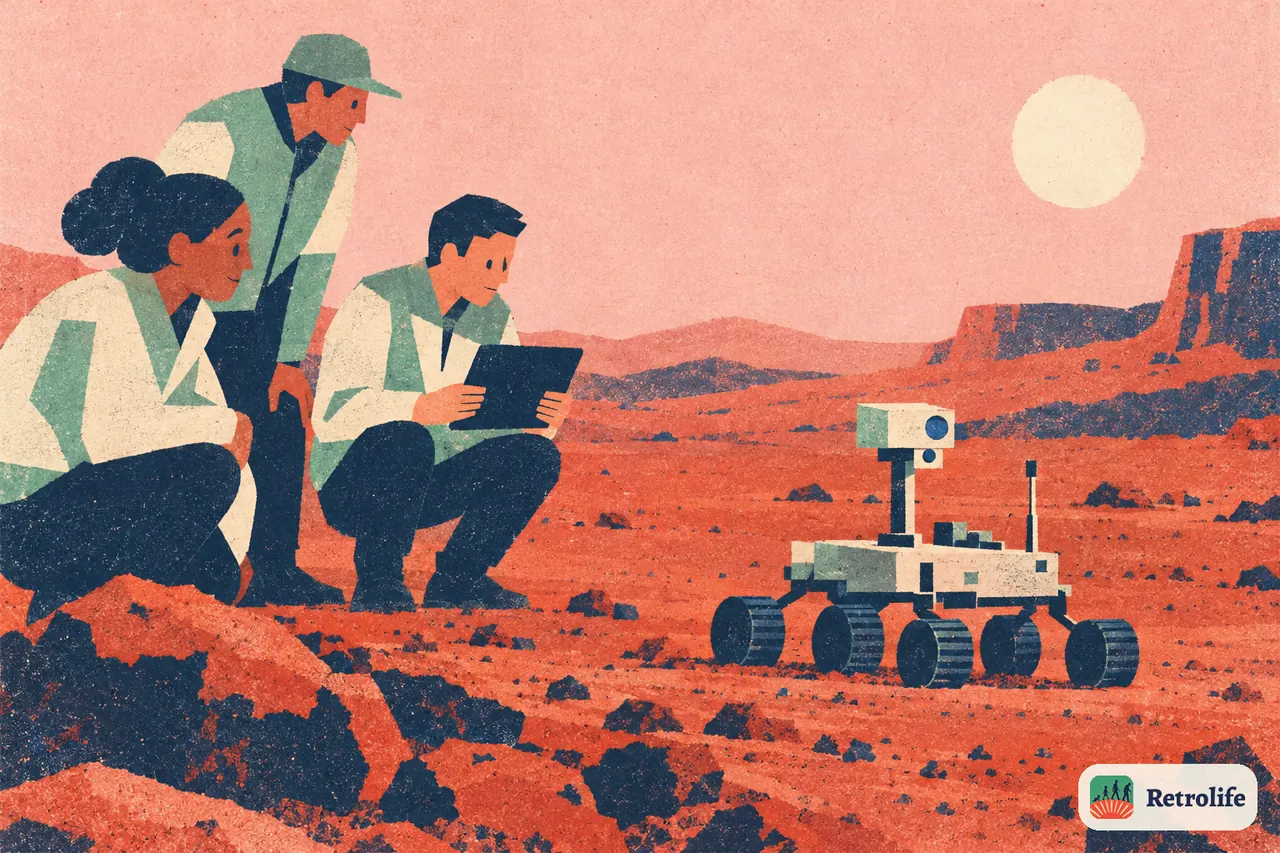
1997. USA: a small rover rolls across the surface of Mars and sends back color pictures. Germany: the Oder floods in summer, and helpers pile sandbags along the dikes. Russia: Moscow celebrates its 850th anniversary with concerts and fireworks.
1998. USA: the first digital television broadcasts begin, promising sharper pictures to come. Germany: the telephone market opens to competition, and long-distance calls get much cheaper. Russia: the ruble collapses in August, prices jump, and savings shrink.
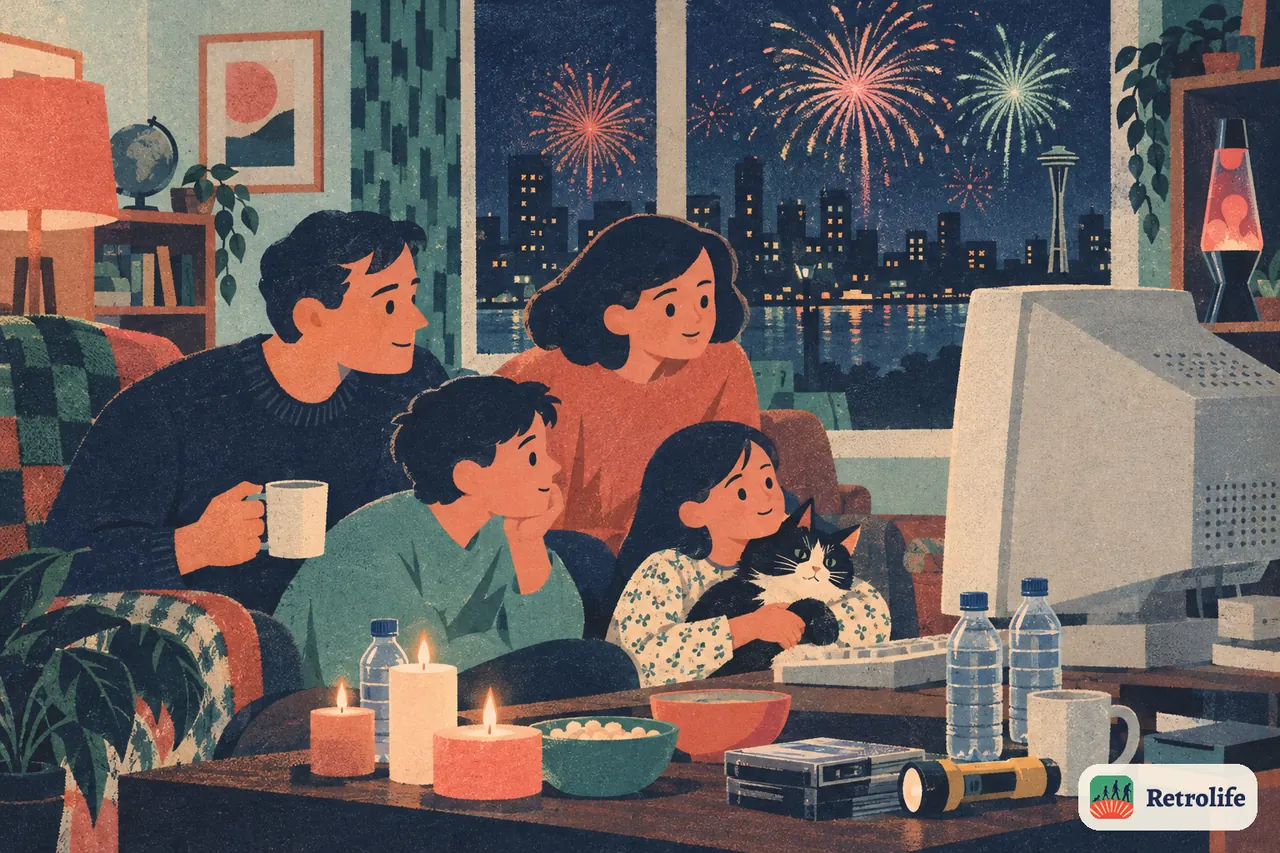
1999. USA: families stock water and candles as the world waits for computers to face the year 2000. Germany: the euro starts as account money, and parliament moves to Berlin. Russia: internet cafes open in big cities, where people try e-mail for the first time.
What a month’s pay bought in the 90s
Prices tell the same story from another angle. The table shows the average monthly wage, the price of a loaf of bread, and how many loaves one month’s pay bought, in each country’s own money.
| Country and year | Monthly wage | A loaf of bread | Loaves a month’s wage bought |
|---|---|---|---|
| USA, 1990 | $1,780 | $0.70 | about 2,540 |
| USA, 1995 | $2,030 | $0.88 | about 2,310 |
| West Germany, 1990 | 3,496 DM | 3.10 DM | about 1,130 |
| West Germany, 1995 | 4,100 DM | 3.80 DM | about 1,080 |
| Russia, 1990 | 303 rubles | 0.20 rubles | about 1,515 |
| Russia, 1995 | 472,000 rubles (old) | 1,800 rubles (old) | about 260 |
| Russia, 1999 | 1,523 rubles (new) | 6.50 rubles (new) | about 235 |
The US and German rows move little: over five years the USA loses about 9 percent of its loaves and Germany about 4 percent. Russia is another story. Between 1990 and 1995, the wage in the data grew roughly 1,560 times, while a loaf of bread grew 9,000 times. That is why the number of loaves a month’s pay bought fell from about 1,515 to about 260. After the August 1998 crash the wage reset in new, redenominated rubles, and the 1999 loaf count (about 235) is close to the 1995 one.
How to read the Russian numbers. The prices for 1992 to 1997 are in thousands of old rubles, before the 1998 redenomination at 1,000 to 1. That is why a monthly wage of 472,000 appears for 1995, and why the 1999 row looks normal again. Also remember that in 1990 the Soviet price was set by the state, and shortages and queues are not visible in the number.
What it feels like now
Every decade has its sounds: the dial-up modem, the beep of a pager, the rustle of a kiosk bag. When you look back at the decade through the news lines, you notice how much of it was about things becoming possible for the first time: the first browser, the first mobile network, the first e-mail. Compare that with a different decade in our guide to the year you were born, where you can look up the same year in three countries.
You are nine in Moscow in 1990, and your mom takes you to stand in line for the first Western burger. Your cousin in Leipzig is nine too, and the shop around the corner has just filled up with goods you have never seen. You will argue for years about whose 1990 was stranger.
How this works in Retrolife
In Retrolife you can be born in any year from 1950 to 2010 in the USA, Germany (East and West until 1990) or the USSR and Russia, and live through the 1990s as someone who is eight, eighteen or forty. The news, the prices and the wages in this article are the same ones the game uses, so the browser, the euro and the crash arrive in your life at the age they would have. Try a postcard from the 1990s, or read about life in the Soviet Union and East Germany to see what came before.
FAQ
What defined the 1990s in the USA?
In our game data, the 1990s news runs from a space telescope in 1990 and the end of the Soviet Union in 1991, through the first popular web browser in 1993 and noisy dial-up modems in 1995, to the Y2K scare in 1999.
Why do Russian prices in the 1990s look so huge?
Prices were freed in 1992 and inflation was enormous. The data shows a 1995 monthly wage of 472,000 rubles, in old money, before the 1998 redenomination removed three zeros.
What happened in Germany in the 1990s?
The country was united on 3 October 1990, the West German mark replaced the East German mark, and by 1999 the euro had started as account money and parliament had moved to Berlin.